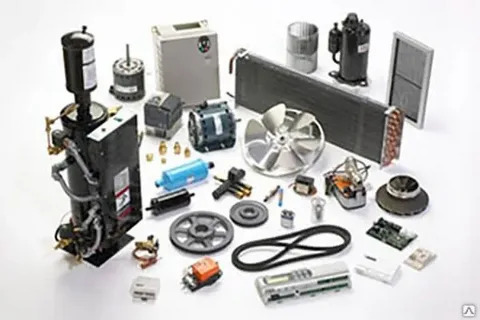
When a rooftop condenser fails on the hottest day of the year, every minute matters and the first impulse is to search for “HVAC parts near me.” Local availability, supplier responsiveness, and the ability to verify compatibility in person often determine whether you restore comfort the same day or wait for an overnight shipment. This article focuses on local sourcing strategies, emergency procurement best practices, relationships with suppliers and service providers, and concrete steps facility managers and homeowners can take to reduce the stress and cost of urgent repairs.
The urgency factor: why local parts beat shipping on critical days
A shipped replacement part is only as good as its arrival time. During extreme weather, carriers are overwhelmed and lead times balloon. Local suppliers with physical stock provide immediate pickup or next-day delivery and often carry compatible substitutes or refurbished parts for urgent repairs. Beyond speed, local vendors offer hands-on verification: you can match terminal layouts, confirm mounting dimensions, and test-fit components before installation. When a system outage carries financial, safety, or reputational risk, local sourcing for HVAC parts near me is the fastest path back to normal.
Building a trusted local supplier network
Developing a relationship with a local supplier pays off in ways beyond speed. Trusted vendors understand the regional equipment mix, common failure modes in local climates, and typical wiring practices used by area installers. They may reserve stock for frequent customers, prioritize your orders during peak seasons, and provide informal technical assistance over the phone. Create an account with a reputable local supplier, share typical equipment brands and model numbers you service, and discuss priority fulfillment for emergencies. These preexisting relationships reduce the friction of last-minute searches for HVAC parts near me.
What to expect when you call a local parts house
When you call a local parts house, be prepared with key information: the equipment model and serial numbers, photos of the failing component, and any diagnostic data such as error codes or voltage readings. If you can describe the failure symptoms—system won’t start, loud hum from the condenser, or intermittent cycling—you help the supplier suggest compatible parts or temporary stopgaps. Local suppliers often maintain lists of common cross-references and can suggest refurbished or universal parts to expedite repairs when OEM replacements are backordered. Clear communication speeds the process and reduces the chance of ordering the wrong item.
Local inventory strategies for service fleets and property managers
If you manage multiple buildings or a fleet of service vehicles, a deliberate parts stocking plan prevents repeated trips and emergency overtime. Analyze historical failure data to identify high-turnover items and stock those locally: common capacitors, contactors, thermostats, filters, and a selection of blower motors. For larger assets, consider stocking a small number of compressors or keeping a remanufactured compressor as an emergency spare. Pair inventory strategy with a location-based tagging system so technicians can find parts quickly and update stock levels in real time.
Rapid substitutions: when a universal part makes sense
Sometimes an exact OEM part is unavailable, and a verified universal or cross-compatible part provides immediate recovery. Not all substitutions are equal; sizing, electrical ratings, and mechanical fit must be verified. A reputable local supplier can recommend universal parts that have been field-proven and meet performance needs without sacrificing safety. For instance, universal fan motors with adjustable mounting plates or multi-voltage capacitors in the correct µF range can temporarily restore function until a precise OEM replacement arrives. Use substitutions judiciously and document the change for future corrective action.
Emergency remanufacturing and refurbishment services
Local repair shops and motor rewind specialists provide remanufactured components that restore service quickly. Compressors and motors often have long lead times when new but can be reconditioned to near-new performance at a fraction of the replacement cost. When evaluating remanufactured parts, insist on clear performance testing, documented warranty terms, and reputable shop references. For mission-critical systems where downtime is costly, remanufacturing offers a practical local alternative to waiting for new OEM parts.
Communication with service technicians and parts houses
Good communication speeds emergency repairs. When a technician is dispatched, provide the parts house with a point of contact at the site, expected arrival time, and any access constraints. If a technician calls to confirm a part at the store, ensure that both the part and the equipment photos are available for comparison. Real-time coordination reduces wasted trips and clarifies whether a substitution is acceptable or if the technician should wait for a specific part.
Leveraging local warranties and return policies
Local suppliers often provide more flexible return and warranty policies than remote marketplaces. They can accept returns for mis-ordered components and offer immediate exchanges, which is invaluable during emergency repairs. Verify the parts house return window and restocking policies before finalizing urgent purchases. For high-value parts like compressors, confirm shipping insurance and whether the supplier will assist with liftgate delivery or storage if the receiving site lacks immediate handling capacity.
Preventive relationships: service agreements and vendor partnerships
Establishing service agreements with local HVAC companies or parts houses reduces emergency stress. Agreements can include priority response clauses, parts hold policies for frequent customers, and scheduled preventive maintenance that reduces emergency calls. For property portfolios, contractual arrangements that include parts availability commitments ensure quicker turnarounds during peak seasons. A small retainer or account relationship often buys responsiveness that proves valuable during system-critical weather events.
Digital tools and local sourcing
Many local suppliers now offer online catalogues and parts lookup tools that integrate model number searches and cross-reference guides. Use these digital tools to check local availability before calling and to reserve parts for pickup. Some vendors provide real-time stock feeds for service fleets to automate parts reservation and restocking thresholds. Adopting these tools reduces phone time and speeds procurement of HVAC parts near me when every hour counts.
Case study: minimizing downtime during a heat event
Consider a data center with a failed condenser during peak summer. The local parts supplier had a remanufactured compressor on hand and a compatible inverter drive. The supplier coordinated a same-day delivery while technicians performed a parallel diagnostic to confirm no secondary damage. The result was a rapid restart and minimized business impact, demonstrating how local parts availability, remanufacturing options, and supplier coordination combine to avert prolonged outages.
Training and technician preparedness
Local sourcing works best when technicians are prepared to confirm compatibility on-site. Train technicians to read nameplates, take clear photographs, and perform key electrical checks. Equip service trucks with a base inventory of common parts and a digital account with local suppliers to reserve items while in transit. Prepared technicians shorten repair windows and reduce the back-and-forth that otherwise prolongs outages.
Cost management and strategic buying
While emergency procurement often carries a premium, strategic buying minimizes last-minute expenses. Negotiate account pricing for frequent purchases and set minimum stock levels for common parts. Monitor seasonal price fluctuations and bulk-purchase consumables like filters to smooth overall spending. A disciplined purchasing strategy reduces reliance on emergency buys and improves budget predictability.
Conclusion: local readiness beats long-shipping optimism
When systems fail at high-impact times, the quickest route to recovery is often local. Cultivate relationships with reputable parts houses, maintain a sensible inventory for recurring needs, and use verified substitutions and remanufacturing only as intentional stopgaps. Train technicians to diagnose accurately and communicate effectively with suppliers. By prioritizing local readiness and strategic purchasing, you transform frantic searches for “HVAC parts near me” into a predictable, efficient workflow that minimizes downtime and protects your bottom line.