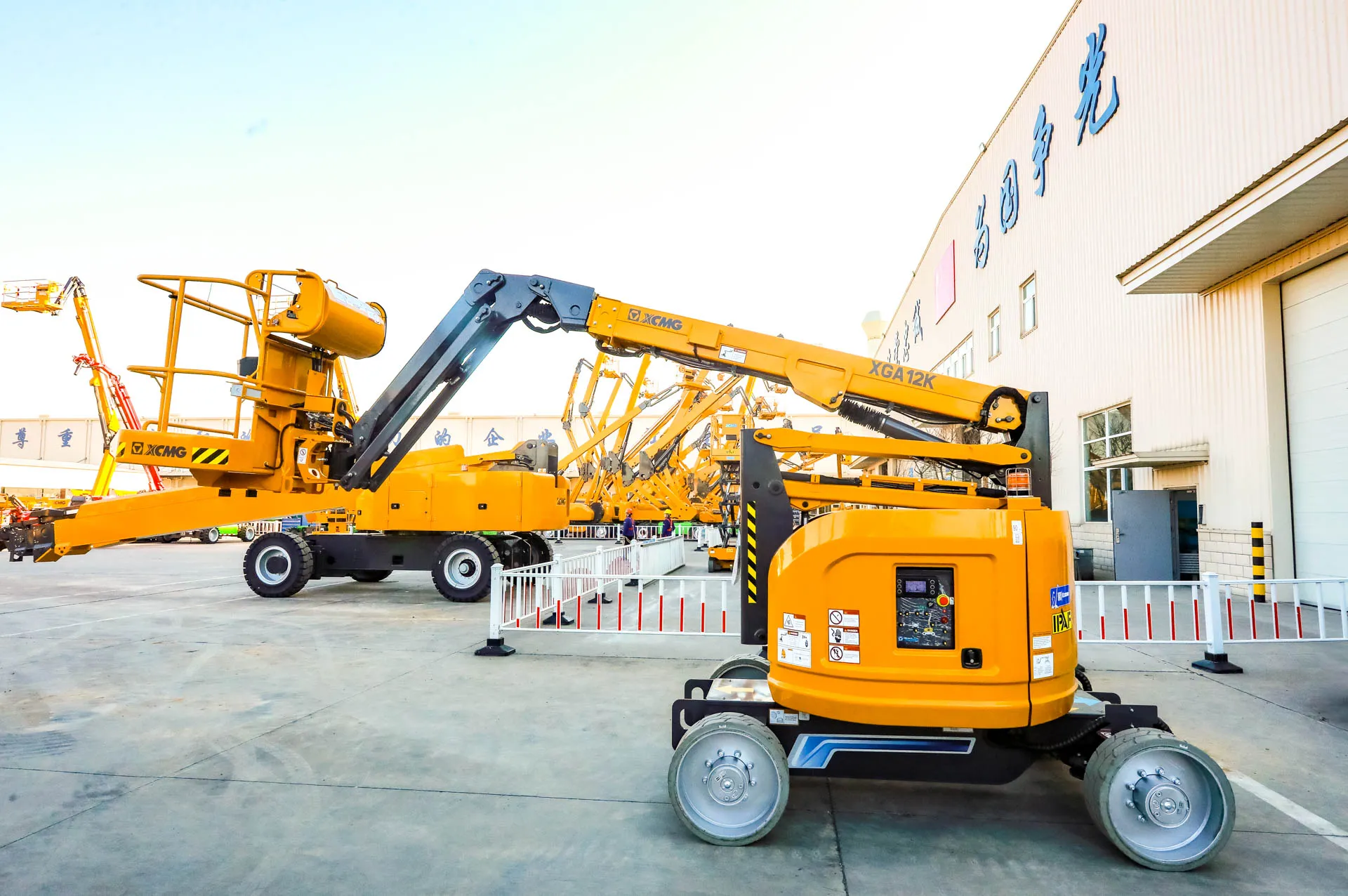
Boom lifts are essential machines for working at heights safely and efficiently, but like all heavy equipment, they can encounter problems that impact performance and safety. Understanding the common issues and knowing how to address them is critical for minimizing downtime and maintaining operational efficiency. This guide will walk you through typical boom lift problems and their solutions.
Hydraulic System Issues
Hydraulic systems are the heart of any boom lift, allowing smooth movement of the arm and platform. Common problems include hydraulic fluid leaks, low fluid levels, and worn-out hoses or seals. These issues can lead to jerky movements, slow operation, or even complete failure of the boom lift. To fix hydraulic problems, regularly inspect hoses, seals, and cylinders for damage, maintain the correct fluid levels, and replace worn components promptly. Using high-quality hydraulic fluid recommended by the manufacturer also ensures optimal performance.
Electrical Malfunctions
Electrical issues in boom lifts can manifest as unresponsive controls, sudden shutdowns, or faulty indicators. Causes may include battery problems, loose connections, or damaged wiring. To address electrical malfunctions, start by checking the battery charge and condition, tightening any loose connectors, and inspecting wiring for visible damage. For complex electrical problems, it is advisable to seek professional service to avoid risking safety or causing further damage to the machine.
Engine and Power Problems
Boom lifts powered by diesel, gasoline, or LPG engines may experience engine stalling, poor acceleration, or difficulty starting. These issues can result from clogged filters, dirty fuel, low oil levels, or worn-out spark plugs. Regular engine maintenance, including changing filters, checking fluids, and servicing ignition components, can prevent many of these problems. Keeping the fuel clean and using the correct grade of oil as recommended by the manufacturer is essential for smooth engine operation.
Platform and Structural Concerns
Issues with the platform or structural components can compromise safety. Common problems include loose bolts, bent sections, or misaligned joints. These structural concerns can affect stability and may lead to accidents if not addressed promptly. Regularly inspect the boom lift’s frame, joints, and platform, tighten all bolts, and repair or replace damaged parts immediately. Ensuring the lift is operated within its weight capacity also prevents undue stress on structural components.
Tire and Wheel Problems
Boom lift tires and wheels are often overlooked but play a crucial role in mobility and safety. Problems such as uneven tire wear, punctures, or low tire pressure can impact stability and maneuverability. Regularly inspect tires for wear or damage, maintain the recommended tire pressure, and replace tires as needed. Proper maintenance ensures smooth movement and reduces the risk of accidents during operation.
Control and Safety System Failures
Boom lifts are equipped with safety systems like emergency stop buttons, limit switches, and overload sensors. Malfunctions in these controls can create hazardous situations. Common issues include unresponsive buttons, faulty sensors, or warning alarms that do not activate. Periodic testing and calibration of control and safety systems are essential. Any faulty components should be replaced immediately to maintain safe operation standards.
Why Choose FERAQuip
When dealing with boom lift problems, having a reliable partner like FERAQuip ensures you get expert support and high-quality machinery. FERAQuip provides a range of boom lifts designed for durability, safety, and efficiency. Their machines come with advanced hydraulic, electrical, and safety systems, reducing the likelihood of common failures. Additionally, FERAQuip offers maintenance services, replacement parts, and technical guidance to help businesses address problems quickly and effectively, minimizing downtime and maximizing productivity.
Conclusion
Boom lifts are indispensable for high-elevation tasks, but they require careful attention to avoid common problems like hydraulic leaks, electrical malfunctions, engine issues, structural damage, tire wear, and safety system failures. Regular inspections, preventive maintenance, and timely repairs are essential to keep the machine operating safely and efficiently. Choosing a trusted provider like FERAQuip ensures access to reliable equipment, expert support, and professional maintenance, helping businesses maintain productivity and safety while reducing the risk of costly downtime.