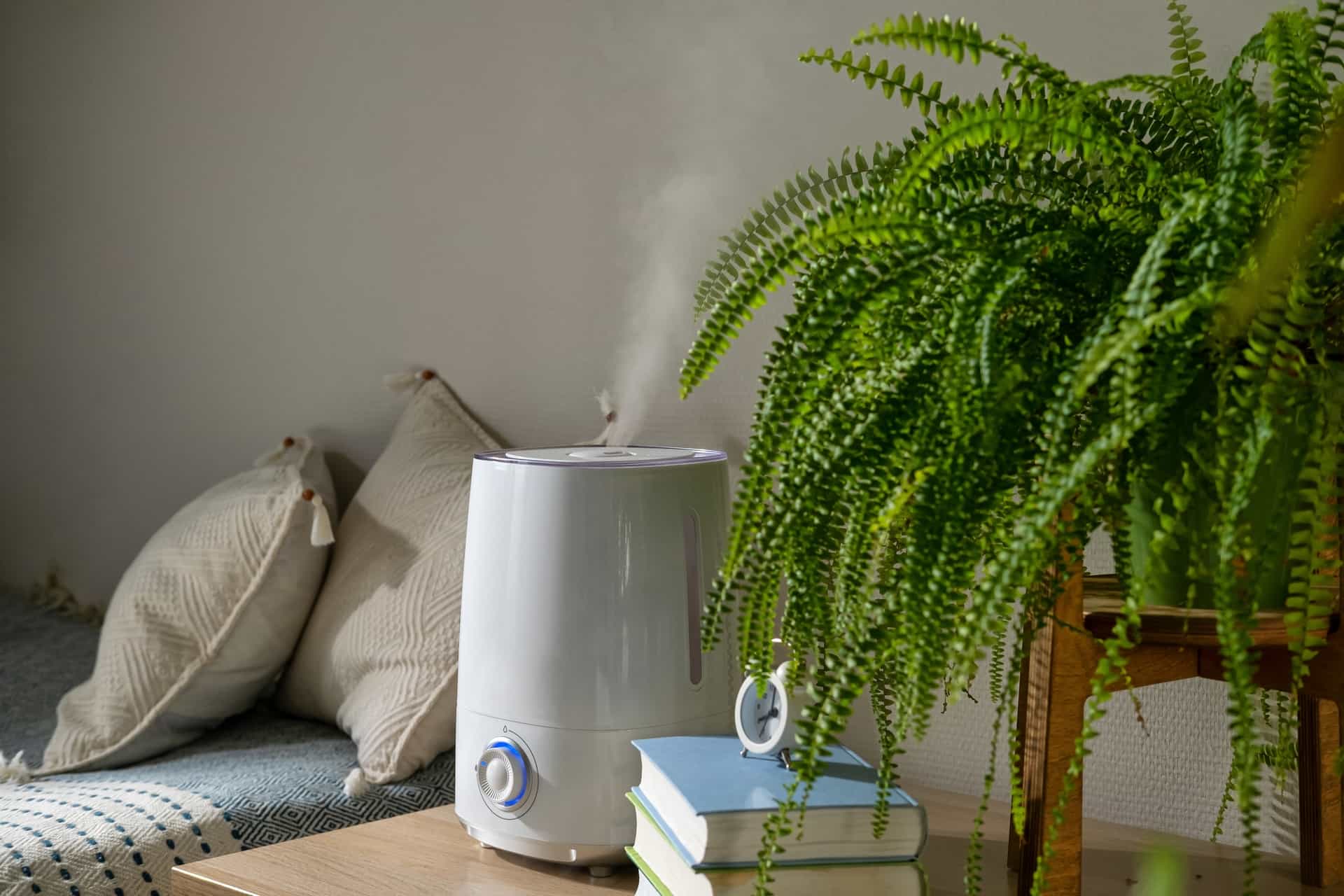
Maintaining good indoor air quality is essential for creating a healthy, comfortable home environment. If you’ve ever dealt with dry skin, nasal irritation, or frequent static shocks, you may already know how uncomfortable dry indoor air can be. One effective solution to this issue is using a humidifier.
But what exactly does a humidifier do, and how can it enhance your well-being and living conditions? In this article, we’ll explore how humidifiers work, their various types, and the wide range of health benefits they provide.
Understanding Humidifiers: What Are They?
A humidifier is a household device designed to increase moisture levels in the air by dispersing water vapor. This helps improve indoor air quality, especially during cold months or in regions with naturally low humidity.
When humidity levels drop too low, it can lead to discomfort and various health issues, including dry skin, scratchy throats, sinus problems, and increased susceptibility to respiratory infections. A humidifier helps restore balance, ensuring the air in your home stays comfortably moist.
Types of Humidifiers: Which One Should You Choose?
There are several types of humidifiers available, each offering unique features and methods of adding moisture to the air. Here’s a breakdown of the most common types:
1. Evaporative Humidifiers
These devices rely on a wick filter that absorbs water from a tank. A fan blows air through the wet filter, releasing cool, moist air into the room. They’re affordable, efficient, and self-regulating, meaning they release less moisture as the humidity increases.
2. Ultrasonic Humidifiers
Using high-frequency vibrations, ultrasonic humidifiers create a fine mist that’s quietly emitted into the air. These are among the quietest options available, making them ideal for bedrooms and nurseries.
3. Steam Vaporizers (Warm Mist Humidifiers)
These models heat water to produce steam, which is then cooled slightly before being released. The heat can help kill germs and bacteria in the water, providing cleaner humidity.
4. Impeller Humidifiers
These work by spinning a disk at high speed to produce a cool mist. They are generally safe for children since they don’t involve heating elements.
5. Whole-House Humidifiers
Installed directly into your home’s HVAC system, whole-house humidifiers offer complete coverage for the entire home. They are a great long-term solution for maintaining consistent indoor humidity throughout every room.
Health Benefits of Using a Humidifier
Adding a humidifier to your living space doesn’t just increase comfort—it offers numerous health benefits as well. Let’s take a closer look at how optimal humidity can improve your health and wellness:
1. Soothes Dry Skin and Lips
Dry air strips away moisture from your skin, leaving it itchy, flaky, and irritated. Humidifiers help keep your skin soft and hydrated, preventing common problems like chapped lips, cracked heels, and dry eyes.
2. Alleviates Allergy and Asthma Symptoms
Dry air can aggravate asthma and allergy symptoms by irritating the respiratory tract. A humidifier adds necessary moisture to the air, reducing inflammation and easing breathing, which can bring relief to those with chronic respiratory conditions.
3. Enhances Sleep Quality
Dry conditions can make sleeping uncomfortable, leading to snoring, dry throats, and disrupted rest. By maintaining a proper moisture level in the air, humidifiers promote better breathing and a more restful night’s sleep.
4. Eases Sinus Congestion and Prevents Nosebleeds
Dry air can inflame sinuses and lead to nasal blockages or even nosebleeds. A humidifier helps keep the nasal passages moist, reducing congestion and discomfort, especially during winter or allergy season.
5. Protects Wood Furniture and Flooring
Wooden items are sensitive to fluctuations in humidity. Dry air can cause cracks, shrinkage, and warping in furniture, flooring, and instruments. A whole-house humidifier maintains consistent moisture levels to protect your home’s valuable materials.
6. Reduces Static Electricity
If you experience frequent static shocks during colder months, it’s likely due to low humidity. A humidifier restores balance by keeping moisture in the air, significantly reducing static buildup and its annoying side effects.
7. Promotes Healthy Indoor Plants
Most indoor plants need moderate humidity to thrive. When the air is too dry, plants can suffer from browning leaves and stunted growth. A humidifier supports their growth and keeps your indoor garden looking lush and vibrant.
8. Helps Prevent Cold and Flu
Dry environments can make it easier for viruses to survive and spread. Moist air helps keep your mucous membranes healthy and better able to trap germs, reducing your chances of catching colds and other infections.
Choosing the Best Humidifier for Your Home
Selecting the right humidifier depends on several factors, including the size of the area you want to humidify and your personal preferences. Here’s what to keep in mind:
-
Room Size: Check the humidifier’s capacity and coverage area. Small units are perfect for bedrooms, while large or whole-home models are better for expansive spaces.
-
Noise Level: If you’re placing the unit in a quiet room, like a nursery or bedroom, go for an ultrasonic or other low-noise option.
-
Ease of Maintenance: Some models require regular filter changes or thorough cleaning. Make sure you’re comfortable with the maintenance involved.
-
Budget: Portable humidifiers are cost-effective and great for single-room use. Whole-house systems are more expensive but offer long-term benefits.
How to Maintain a Humidifier Safely and Effectively
Proper maintenance is crucial for getting the best performance from your humidifier—and for keeping the air safe to breathe. Here are a few simple tips to keep your unit running cleanly:
1. Clean Regularly
To prevent mold and bacteria buildup, clean your humidifier thoroughly at least once a week. Use a mild disinfectant and rinse all parts well before reuse.
2. Use Distilled Water
Tap water contains minerals that can build up inside your humidifier, leading to white dust or even bacterial growth. Using distilled or demineralized water keeps the unit clean and minimizes airborne particles.
3. Monitor Humidity Levels
Ideal indoor humidity should range from 30% to 50%. Too much moisture can encourage mold growth, while too little can cause discomfort. Consider using a hygrometer to monitor levels and ensure optimal settings.
Conclusion: Why Every Home Can Benefit from a Humidifier
Adding a humidifier to your home isn’t just about comfort—it’s about supporting your health, protecting your home’s interior, and improving overall air quality. Whether you need a small unit for your bedroom or a whole-house system to cover every room, humidifiers offer an easy and effective solution for dry indoor air.
Ready to Improve Your Indoor Air Quality?
Looking for expert advice on finding the perfect humidifier for your home? Contact GNV Heating and Air Conditioning today! Our team of professionals can help you choose the best system based on your needs and ensure it’s installed and maintained properly. Breathe easier and live healthier with the right humidity control for your space.