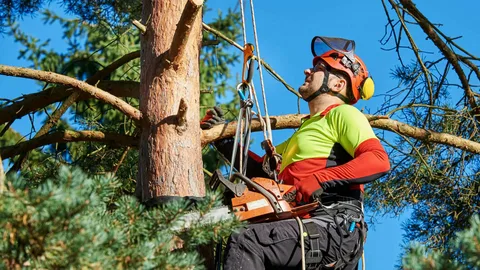
Tree surgery, often misunderstood, is more than just cutting branches. It is a vital aspect of arboriculture, blending science and skill to ensure the well-being of individual trees and the safety of the surrounding environment. This article delves into the core of tree surgery, exploring its definition, significance in upholding health and safety standards, and the telltale signs indicating when professional intervention becomes necessary.
Understanding these facets will empower you to make informed decisions about tree care and appreciate the invaluable role tree surgeons play in our communities.
What is Tree Surgery?
Tree surgery involves the care and maintenance of trees by expert tree surgeons. It is the art and science of maintaining tree health and ensuring safety through various techniques. This professional tree surgery encompasses a range of practices, from pruning and shaping to tree removal and disease management.
A qualified tree surgeon applies their knowledge of tree biology and safety protocols to promote tree health and structural integrity. Ensuring safety is paramount; tree surgery helps mitigate potential hazards associated with unstable or diseased trees. In essence, tree surgery is an essential service for tree preservation, ensuring trees remain healthy and safe.
Importance of Tree Surgery in Health and Safety
Tree surgery is essential for upholding health and safety standards in both public and private spaces. A professional tree surgeon ensures that trees do not pose a risk to people or property. Regular tree maintenance, including the removal of dead or diseased branches, reduces the risk of falling limbs.
The tree surgeon’s expertise is crucial in identifying and addressing potential hazards before they escalate into dangerous situations. Qualified tree surgeons are trained to assess tree health and stability, implementing appropriate measures to maintain structural integrity. Tree surgery helps create safer environments by mitigating the risks associated with trees, making it an indispensable service.
When Do You Need Tree Surgery?
Knowing when you need tree surgery is crucial for maintaining the health of your trees and ensuring safety. Several indicators suggest it’s time to call a professional tree surgeon. Visible signs of decay, such as fungal growth or cavities, are red flags. Dead or hanging branches pose an immediate risk to people and property, necessitating prompt action.
If a tree is leaning excessively or has been damaged by a storm, it requires expert tree care to assess its stability. Additionally, if a tree is obstructing pathways, power lines, or buildings, tree surgery services are needed to address these issues. Recognizing these signs and seeking timely intervention can prevent costly damage and ensure tree health and safety.
Tree Surgery Techniques
Common Tree Surgery Techniques
Several common tree surgery techniques are employed by a qualified tree surgeon to maintain tree health and safety. These techniques often involve interventions such as pruning, crown reduction, and crown thinning.
Tree surgery involves various methods to ensure trees remain healthy and safe, and these techniques are essential parts of professional tree surgery services. It is essential for any tree surgeon to be proficient in these methods.
Emergency Tree Surgery Procedures
Emergency tree surgery procedures are crucial when immediate action is needed to address hazardous situations. Storm damage often necessitates urgent tree work, such as removing broken or unstable limbs that pose a risk to people or property.
When a tree is in imminent danger of falling, expert tree care may involve cabling or bracing to provide temporary support. In some cases, tree felling may be the only option. Qualified tree surgeons follow strict safety protocols to protect themselves and the public while performing emergency work.
Safety Protocols in Tree Surgery
Safety protocols are paramount in all aspects of tree surgery. Professional tree surgeons are trained to adhere to stringent safety standards to minimize risks. Before commencing any tree work, a thorough risk assessment is conducted to identify potential hazards.
Personal protective equipment (PPE), safe equipment use, and clear work zones are standard. The tree surgeon’s knowledge of tree biology and structural integrity guides safe work practices. Ensuring safety is a continuous priority in tree surgery, protecting both the tree surgeon and the surrounding environment.
Benefits of Hiring a Professional Tree Surgeon
Engaging a professional tree surgeon offers numerous benefits when it comes to ensuring the health and safety of your trees and property. A qualified tree surgeon possesses the expertise and training necessary to accurately assess tree health, identify potential hazards, and implement effective solutions.
Professional tree surgery ensures that the work is carried out safely and efficiently, adhering to strict safety protocols. By hiring a professional, you’re investing in the longevity and well-being of your trees, preventing costly problems down the line while keeping your outdoor space safe.
How to Choose the Right Tree Surgeon
Selecting the right tree surgeon is crucial for the successful management of your trees. Look for proper certifications, insurance, and a strong reputation backed by client reviews and referrals.
A professional tree surgeon should be transparent about techniques, expected outcomes, and safety protocols. Choosing an expert who values tree health and environmental stewardship ensures long-term benefits and peace of mind.
Questions to Ask Before Hiring
Before hiring a tree surgeon, it’s essential to ask pertinent questions to ensure they are the right fit. Inquire about qualifications, insurance, past work references, and safety procedures to verify reliability and competence.
Request a detailed quote outlining scope and costs, and clarify their approach to preservation and emergency response. By asking these questions, you can make an informed decision and select a tree surgeon who will provide tailored, professional care for your trees.
Tree Maintenance and Preservation
Regular Tree Care Practices
Regular tree care practices are the foundation of maintaining vibrant and healthy trees. These practices include pruning, watering, fertilization, and mulching to support long-term growth and resilience.
Proactive tree care not only enhances the aesthetic appeal of trees but also minimizes the need for more extensive tree surgery later on. This contributes significantly to tree preservation and landscape safety.
Tree Preservation Techniques
Tree preservation techniques are specialized methods used to protect and prolong the life of valuable or at-risk trees. These often include cabling, bracing, root aeration, fertilization, and preventative treatments for pests and diseases.
Such techniques ensure trees remain a valuable asset to the environment while reducing safety risks. They also help preserve heritage and ecological balance in both urban and rural landscapes.
The Role of Tree Surgery in Tree Health
Tree surgery plays a vital role in maintaining and improving tree health. Procedures like pruning, cabling, and bracing correct defects, remove diseased tissue, and encourage strong, healthy growth.
By addressing problems early, professional tree surgery strengthens a tree’s resistance to pests and diseases. This proactive care ensures trees remain safe, healthy, and valuable for generations
Why Choose Use Tree Rebral For Tree Surgery
At Tree Rebral Ltd, we take pride in delivering professional, reliable, and safe tree surgery and stump grinding services. Our team of qualified tree surgeons combines technical expertise with a genuine passion for tree care, ensuring every project is completed to the highest standards. Whether it’s routine maintenance, emergency tree work, or specialist preservation techniques, we provide tailored solutions to protect your property and enhance your landscape. With Tree Rebral Ltd, you can trust in quality workmanship, transparent pricing, and long-lasting results.