Shutoff valves play a important role in controlling fluid or gas flow across a wide range of applications, from residential plumbing to high-performance industrial systems. But the most robust systems can encounter wear and tear, resulting in an issue that many users dread — a leak. A malfunctioning valve can compromise safety, efficiency, and performance, especially in precision-critical environments.
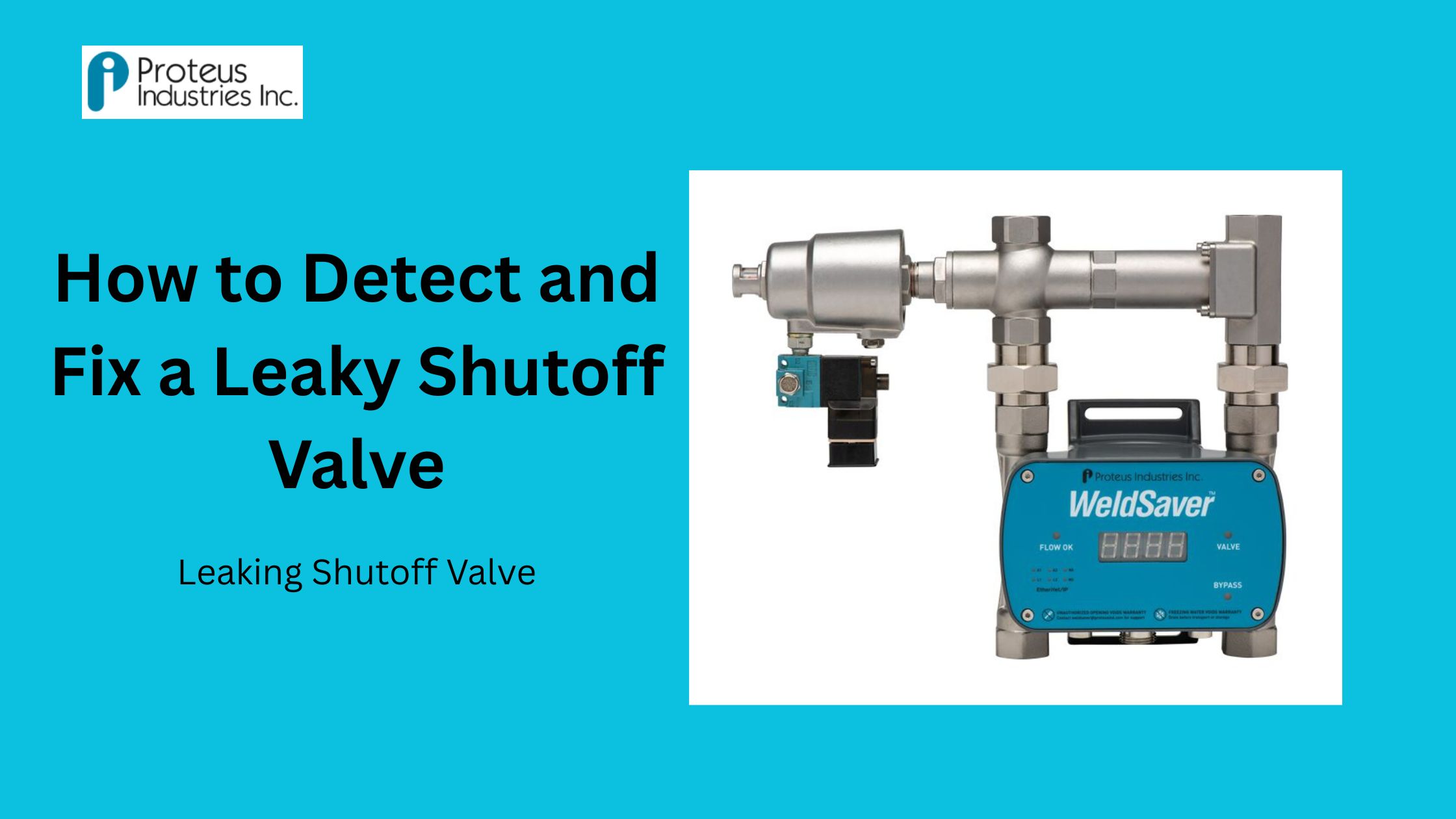
For manufacturers and engineers working with sensitive cooling processes or robotic welding systems, a solution like the WeldSaver 5 Passport Series by Proteus Industries offers advanced leak detection and coolant shutoff in real-time. But even for simpler systems, understanding how to identify and address valve leaks is essential for maintaining safe and functional operations.
This blog explores how to detect and fix a leaking shutoff valve, including common symptoms, causes, and both DIY and industrial repair options.
What Is a Shutoff Valve and Why It Matters
A shutoff valve controls is flow of water, gas, or other liquids through a pipeline. In homes, they’re used under sinks, behind toilets, and at main water lines. In industrial setups, they manage flow to protect equipment and regulate processes.
When a shutoff valve begins to leak, it can lead to:
- Water or fluid waste
- Potential property or equipment damage
- Pressure loss in systems
- Safety risks due to uncontrolled fluid release
The good news is that most valve leaks are preventable or repairable — if detected early.
Signs Your Shutoff Valve Is Leaking
Recognizing signs of a leak early can prevent larger issues. Here are some telltale symptoms that suggest your shutoff valve may be compromised:
1. Visible Drips or Moisture
Look for water pooling beneath the valve, damp spots, or moisture on or around the valve body.
2. Rust or Corrosion
Corrosion, especially around the valve stem or threads, can indicate long-term exposure to leaking water.
3. Unusual Odors
For gas shutoff valves, a faint smell of gas could indicate a slow leak and requires urgent attention.
4. Low Pressure or Performance
In industrial systems, a decrease in coolant flow or inconsistent performance may trace back to a valve leak.
Common Causes of Valve Leaks
Understanding what causes leaks helps in deciding the best fix or replacement strategy. The most common reasons include:
1. Worn-Out Valve Packing
The packing (or gasket) inside the valve can degrade over time, especially with high temperatures or chemical exposure.
2. Loose or Damaged Stem Nut
The packing nut on the valve stem may loosen over time. A minor adjustment can sometimes stop the leak.
3. Cracks in the Valve Body
Freezing temperatures or physical damage can crack the valve housing, causing persistent leaks.
4. Corrosion and Age
Older valves naturally wear out. Metal corrosion, especially in humid or acidic environments, contributes to leaks.
How to Detect a Leak: Step-by-Step Guide
Step 1: Shut Off the Main Supply
Before any inspection, turn off the main water or fluid supply to avoid further leakage or hazards.
Step 2: Dry the Area Around the Valve
Use a towel to dry the valve and surrounding area so you can detect new moisture or dripping during the test.
Step 3: Visual and Manual Inspection
Look for visible cracks, rust, and moisture. Gently wiggle the valve to check for looseness in the stem or fittings.
Step 4: Wrap with Tissue or Paper Towel
Wrap the valve body or joint with a dry tissue, then wait. If it becomes damp after a few minutes, you’ve located the leak source.
Step 5: Use Leak Detection Fluid
For gas or coolant systems, a soapy water mixture or commercial leak detection spray can help spot escaping air or gas.
Fixing the Leak: DIY and Professional Options
Depending on the severity and type of leak, there are several repair methods:
1. Tighten the Packing Nut
Using an adjustable wrench, turn the packing nut slightly clockwise. Often, this will compress the packing material and stop the leak.
- Tip: Don’t overtighten — too much pressure can damage the stem or threads.
2. Replace the Packing Washer
If tightening doesn’t help, you may need to replace the washer or packing. Turn off the water, disassemble the valve, and replace the old material with new Teflon or graphite packing.
3. Apply Thread Seal Tape
Leaks at threaded joints can be fixed by removing the connection, applying new plumber’s tape, and reconnecting tightly.
4. Replace the Valve Entirely
For corroded, cracked, or outdated valves, replacement is often the most reliable solution.
- Shut off the system, drain the line, and use a pipe wrench to remove the coolant valve.
- Install a new valve with proper sealant and test it for leaks before resuming operation.
Industrial-Grade Leak Detection and Valve Control
In advanced industrial or robotic welding systems, a leak isn’t just an inconvenience—it can halt operations and damage equipment. Systems like the WeldSaver 5 Passport Series offer proactive detection and real-time shutoff capabilities to prevent damage before it escalates.
Key features include:
- Flow sensors to detect changes in real-time
- Automatic shutoff for coolant leaks
- Data feedback via programmable logic controllers
- Non-intrusive design for easy system integration
These advanced technologies reduce downtime, increase safety, and offer peace of mind in high-risk environments.
Preventing Future Leaks: Maintenance Tips
Regular maintain can extend the life of your valves and prevent future leaks:
- Inspect valves quarterly for signs of wear or corrosion
- Exercise shutoff valves (turn them on and off) periodically to prevent seizing
- Ensure proper insulation for valves exposed to cold conditions
- Use high-quality components and sealants during installation
- Monitor flow and pressure in industrial systems for early warning signs
Final Thoughts
A leaky shutoff valve might seem like a small issue, but left unchecked, it can lead to serious problems — from water damage and pressure loss to compromised system performance. Whether you’re dealing with a residential plumbing fixture or a critical industrial component, understanding how to detect and fix the problem is key to maintaining system integrity.
For industrial applications where safety and uptime are non-negotiable, Proteus Industries’ WeldSaver 5 Passport Series provides automated leak detection and shutoff capabilities designed to safeguard robotic welding and coolant systems.
By combining smart detection with proper maintenance and timely repairs, you can keep your systems running safely and efficiently — and avoid the costly consequences of an unnoticed leak.