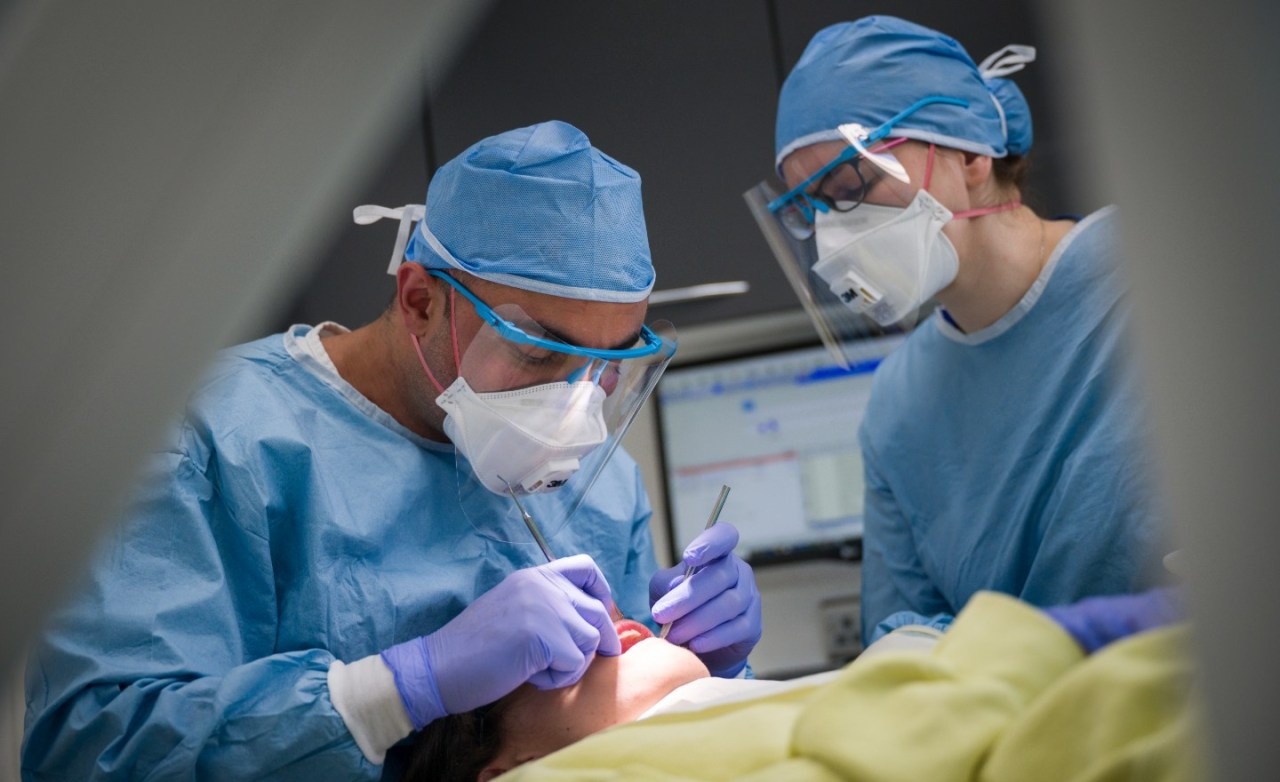
Having your wisdom teeth removed can be a daunting experience, especially if you’re nervous about dental procedures. Many patients wonder whether sedation is available on the NHS for wisdom tooth surgery and if they can choose it as part of their treatment.
This article explains your options, eligibility, and what you can expect if you need sedation for wisdom teeth removal under the NHS.
Understanding NHS Wisdom Teeth Surgery
When Are Wisdom Teeth Removed on the NHS?
NHS dentists only recommend wisdom tooth removal if:
-
The teeth are causing repeated pain or infection
-
There’s damage to nearby teeth or bone
-
Severe decay or gum disease is present
-
There’s an abscess or cyst forming
It’s not offered purely for preventive reasons unless there’s a clear medical need.
H3: Who Performs the Surgery?
-
General NHS dentist – for simple extractions under local anaesthetic.
-
Oral surgery specialist in hospital – for complex cases or impacted wisdom teeth.
Sedation Options on the NHS
Types of Sedation Available
-
Local anaesthetic – Numbs the area (standard for most NHS cases).
-
Conscious sedation – Usually intravenous (IV) sedation to help you relax but stay awake.
-
General anaesthetic – You’re fully asleep; usually only in hospital settings for complex cases.
Can You Choose Sedation?
You can’t always choose freely. Sedation on the NHS is based on clinical need, not patient preference alone. Your dentist or oral surgeon will decide if it’s appropriate.
When the NHS Offers Sedation for Wisdom Teeth
Common Reasons for Sedation Approval
-
Severe dental anxiety or phobia
-
Complex surgical removal (deep impaction)
-
Multiple teeth being removed at once
-
Medical conditions making the procedure more stressful or risky without sedation
When Sedation Might Not Be Provided
-
Straightforward extractions that can be done under local anaesthetic
-
Mild anxiety that can be managed with reassurance and short appointments
What to Expect with NHS Sedation
Conscious Sedation Procedure
-
Administered via a vein in your arm or hand
-
You feel drowsy and relaxed, but can respond to instructions
-
You won’t remember much of the procedure afterwards
Safety and Monitoring
Your oxygen levels, heart rate, and blood pressure are monitored throughout for safety.
Alternatives if NHS Sedation Isn’t Approved
Private Sedation Dentistry
Many private dental practices offer IV sedation or even general anaesthetic for an additional fee, with more flexibility on patient choice.
Self-Help and Relaxation Techniques
-
Breathing exercises before treatment
-
Distraction methods like music
-
Gradual exposure to dental environments for anxiety control
Pros and Cons of Sedation for Wisdom Teeth Surgery
Pros
-
Reduced anxiety and stress
-
Minimal memory of the procedure
-
Increased comfort during surgery
Cons
-
May require an escort home and time off work
-
Some sedation methods aren’t available in all NHS clinics
-
Not always approved without a strong clinical reason
Final Thoughts
While sedation is available on the NHS for wisdom teeth removal, it’s not something you can automatically choose without meeting certain criteria. The decision is based on your medical history, anxiety level, and the complexity of the procedure.
If you don’t qualify but still want sedation, private dental care offers more options and flexibility. Discuss your concerns openly with your dentist so they can recommend the best path for your comfort and safety.
FAQs – NHS Sedation for Wisdom Teeth Surgery
1. Can I request general anaesthetic for wisdom teeth on the NHS?
Only if the extraction is complex enough to require hospital treatment.
2. Is sedation free on the NHS?
Yes, if it’s deemed clinically necessary. You’ll only pay the standard NHS Band 2 or Band 3 charge for the procedure.
3. Can I get sedation for dental anxiety alone?
Possibly, but your dentist must assess whether it’s severe enough to require sedation.
4. How long does NHS sedation last?
The effects wear off within a few hours, but you’ll need someone to take you home.
5. What if my NHS dentist doesn’t offer sedation?
They can refer you to a specialist or hospital if sedation is necessary for your case.