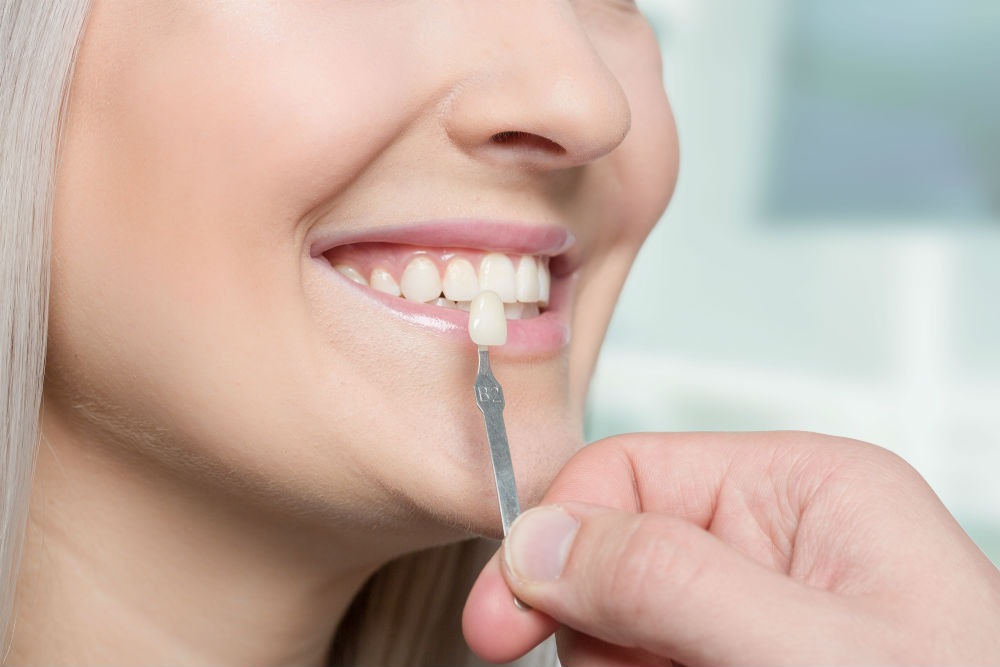
Composite bonding has become one of the most requested cosmetic dental treatments in the UK, thanks to its ability to transform a smile quickly and affordably. But if you’re thinking about getting it done, you might be wondering — does composite bonding damage natural teeth?
In this detailed guide, we’ll explore what composite dental bonding is, how it interacts with your teeth, whether it can cause damage, and what you should know before booking your appointment.
Understanding Composite Bonding
What Is Composite Bonding?
Composite bonding is a cosmetic dental procedure where a tooth-coloured resin material is applied to the surface of your teeth to improve their shape, colour, or alignment. It’s commonly used to:
-
Repair chipped or cracked teeth
-
Close small gaps between teeth
-
Improve discolouration
-
Alter tooth shape for a more even smile
Why It’s So Popular in the UK
-
Quick procedure — often completed in a single visit
-
Affordable compared to veneers or crowns
-
Minimally invasive — often requires no anaesthetic
Does Composite Bonding Harm Your Natural Teeth?
The Short Answer
No — composite bonding does not usually damage your natural teeth. In fact, it is considered one of the least invasive cosmetic dentistry options.
Why It’s Safe for Teeth
-
Minimal to no enamel removal is required
-
The resin is bonded directly onto the tooth surface
-
The process is fully reversible — bonding can be removed or replaced without harming the underlying tooth
How Composite Bonding Is Applied Without Damage
1. Tooth Preparation
Unlike veneers, which often require enamel to be shaved down, composite bonding only needs a light surface etching to help the resin stick.
2. Resin Application
The dentist applies layers of composite resin, sculpting it to the desired shape.
3. Hardening Process
A curing light is used to harden the resin, locking it in place without affecting the tooth’s internal structure.
4. Polishing
The bonded tooth is polished to match the shine and texture of natural enamel.
When Composite Bonding Might Cause Issues
While bonding itself doesn’t damage teeth, certain situations can lead to problems:
1. Poor Oral Hygiene
If you neglect brushing and flossing, plaque can build up around bonded areas, leading to decay in the natural tooth beneath.
2. Incorrect Application
If bonding is poorly applied or doesn’t fully seal the tooth surface, bacteria can seep in, increasing the risk of decay.
3. Excessive Wear and Tear
Bonding material is softer than enamel — biting hard objects or grinding teeth can damage both the bonding and your natural teeth.
Advantages of Composite Bonding Over Other Treatments
1. Preserves Natural Tooth Structure
Since little to no enamel is removed, your natural teeth remain intact.
2. Reversible Process
If you change your mind or want a different treatment in the future, bonding can be removed without long-term effects.
3. Quick and Comfortable
Most treatments take under an hour per tooth and require no injections.
How to Keep Bonded Teeth Healthy
Daily Care Tips
-
Brush twice daily with a non-abrasive toothpaste
-
Floss carefully around bonded areas
-
Avoid biting nails, ice, or pen caps
Lifestyle Choices
-
Limit staining foods and drinks like coffee, tea, and red wine
-
Quit smoking to prevent yellowing of the resin
Regular Check-Ups
See your dentist every 6 months to check the integrity of the bonding and your underlying teeth.
Longevity of Composite Bonding Without Damaging Teeth
With good care, composite bonding can last 5 to 10 years. It may require polishing or minor repairs over time, but as long as you maintain good oral hygiene, your natural teeth should remain healthy underneath.
Signs You Need to Replace or Repair Bonding
-
Chipping or cracking of the bonded area
-
Noticeable staining that can’t be polished away
-
Rough or uneven texture on the surface
-
Sensitivity around the bonded tooth
FAQs About Composite Bonding and Tooth Safety
1. Is enamel removed during composite bonding?
In most cases, no — only a light surface preparation is needed to help the resin adhere.
2. Can composite bonding cause tooth decay?
Bonding itself doesn’t cause decay, but poor oral hygiene around bonded teeth can lead to cavities.
3. Is bonding bad for sensitive teeth?
No — in fact, bonding can sometimes help cover exposed areas and reduce sensitivity.
4. Can I whiten my teeth after bonding?
You can whiten natural teeth, but the resin won’t change colour — you may need to replace bonding to match the new shade.
5. Does removing bonding damage teeth?
No — when removed correctly by a dentist, bonding can be taken off without harming the enamel.
6. Is composite bonding safe for front teeth?
Yes — it’s commonly used on front teeth for chips, gaps, and shape corrections.
7. Will bonding make my teeth weaker?
No — your teeth retain their natural strength as enamel is preserved.
8. How do I avoid damaging bonding?
Avoid biting hard objects, grinding teeth, and consuming excessive staining foods/drinks.
9. Can bonding be repaired if it chips?
Yes — chipped bonding can be smoothed or rebuilt without affecting your natural tooth.
10. Does composite bonding feel natural?
Yes — when done properly, it blends in with your teeth and feels completely natural.
Conclusion: Safe, Effective, and Tooth-Friendly
Composite bonding is one of the safest cosmetic dental treatments for preserving your natural teeth. Unlike veneers or crowns, it involves minimal to no enamel removal, making it reversible and non-damaging when applied correctly. The key to ensuring your teeth stay healthy underneath bonding lies in good oral hygiene, regular dental check-ups, and avoiding habits that could damage the resin.
If you’re considering cosmetic improvements and are concerned about your natural teeth’s health, composite bonding offers a quick, affordable, and safe option. For the best results, choose an experienced cosmetic dentist who can ensure proper application and long-lasting beauty.
For more details: click here