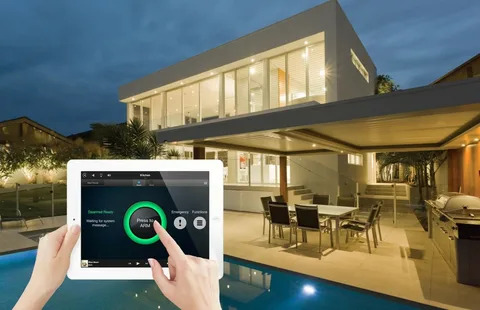
Home automation systems transform ordinary houses into responsive, efficient homes by linking sensors, controllers, and smart devices so routines happen automatically and reliably; begin your setup by evaluating network strength, core automations, and device compatibility to create a consistent foundation for growth. home automation systems should start with clear goals and a dependable network to deliver immediate and lasting benefits.
Featured Snippet (40–60 words): Home automation systems use a central controller, sensors, and connected devices to run scheduled and sensor-driven routines that increase comfort, reduce energy use, and improve safety. Start with network upgrades, a smart thermostat, and automated lighting to realize measurable benefits in days while building toward whole-home automation over months.
Why Home Automation Systems Matter
Home automation systems matter because they convert repetitive tasks into dependable background processes that free time and reduce waste. A well-designed system does not merely add gadgetry; it orchestrates heating, lighting, security, and entertainment so they respond intelligently to presence, time, and environmental conditions. When devices are coordinated, small daily efficiencies compound into meaningful utility savings, improved safety through proactive alerts, and smoother household routines that adapt to family needs. The value is practical rather than gimmicky: reliability, clarity of control, and measurable outcomes.
Core Components Of Reliable Home Automation Systems
A dependable home automation system is built from a few critical components: a control layer (local hub or cloud platform), sensors for context, actuators that perform actions, and robust networking for communication. The control layer hosts logic and schedules, deciding what happens when sensors report motion or when a schedule triggers. Sensors detect presence, door or window status, leaks, light levels, and temperature. Actuators include smart switches, thermostats, locks, blinds, and cameras. The choice of networking protocols—Wi-Fi, Zigbee, Z-Wave, Thread, or wired Ethernet—affects range, battery life, and interoperability. Planning these components around reliability and expandability prevents common headaches later.
Start With Clear Goals, Not Gadgets
The most common mistake is buying devices before defining goals. Start by articulating three practical outcomes you want to achieve: consistent comfort, improved security, and energy savings are common priorities. Map those outcomes to device categories and routines. For comfort, prioritize thermostats and climate sensors; for security, choose locks, door sensors, and cameras; for efficiency, focus on lighting control and power monitoring. A goal-first approach helps minimize incompatible purchases and keeps your automation roadmap focused on value rather than novelty.
Networking Fundamentals: The Backbone Of Automation
A strong, resilient network is the single most important technical investment for home automation systems. Weak Wi-Fi causes missed automations, delayed alerts, and user frustration. For larger homes, mesh Wi-Fi provides consistent coverage; for latency-sensitive devices, wired Ethernet is preferred. Low-power mesh protocols like Zigbee and Z-Wave are ideal for battery-operated sensors because they conserve energy and extend range through mesh routing. Network segmentation improves security by isolating IoT devices from personal devices. Invest in a capable router, mesh nodes where needed, and a clear network diagram for troubleshooting.
Practical Automations That Deliver Immediate Value
Effective automations are simple, context-aware, and reversible. A morning routine that raises the thermostat modestly, opens shades, and turns on soft lighting simplifies wake-up and saves energy by avoiding full heating until occupants are active. An away mode can lower HVAC setpoints, switch off nonessential lights, and arm security sensors. Motion-triggered path lighting prevents accidents at night without leaving lights on continuously. Leak sensors near appliances deliver early warnings that prevent costly damage. Begin with a handful of high-value automations and refine them rather than creating countless niche routines.
Device Selection: Compatibility, Longevity, And Updates
When choosing devices for home automation systems, prioritize interoperability, firmware support, and realistic lifecycles. Smart thermostats frequently offer the highest return through optimized HVAC cycles. Locks and video doorbells provide tangible security and convenience. Lighting choices range from smart bulbs for quick wins to in-wall switches for permanent, reliable control. Favor vendors with a track record of firmware updates and clear policies on cloud reliance versus local control. Interoperable devices that support common protocols lower the chance of vendor lock-in and simplify future expansions.
Designing For Privacy And Security
Security and privacy must be baked into every design decision. Use strong unique passwords for device and platform accounts and enable two-factor authentication where available. Keep firmware updated and disable unused services. Place cameras thoughtfully to avoid capturing private neighbor spaces. Network segmentation isolates IoT devices, reducing risks to core personal devices. Prefer platforms that support local control for critical automations and minimize unnecessary cloud dependencies. Regularly review permissions and logs so alerts remain meaningful and actionable rather than noise.
Integration With Existing Systems And Professional Help
Most homes contain legacy wiring or equipment that can be integrated rather than replaced. Retrofit modules enable non-smart switches or shades to become automated without redoing wiring. Gateways and bridges can help older proprietary systems interoperate with modern controllers. For complex needs like whole-home audio, motorized blinds, or structured wiring, professional installers provide reliable, code-compliant setups and can optimize network architecture. Engage pros for projects requiring electrical changes or when you need guaranteed reliability and warranty-backed service.
Maintenance, Monitoring, And Ongoing Optimization
Maintenance keeps home automation systems performing well. Monitor battery levels and device status, schedule firmware updates during low-use windows, and review automation logs to see which routines are effective. Replace or rethink automations that cause friction or false triggers. Maintain a simple inventory that associates device names with physical locations to speed troubleshooting. For critical systems, consider redundant network paths or UPS-backed hubs to handle power interruptions gracefully. Ongoing attention transforms a promising setup into a truly dependable system.
Energy Management And Measurable ROI
Home automation systems provide measurable energy savings when automations are thoughtfully applied. Thermostats that adapt to occupancy and local weather reduce HVAC runtime; lighting automation eliminates wasted lighting hours; smart plugs reveal phantom loads so they can be eliminated. Track usage monthly to quantify savings and adjust rules to improve efficiency. Over a year, these incremental improvements often pay back the cost of devices through reduced utility bills, and they contribute to a smaller environmental footprint.
Accessibility And Assistive Uses
Automation can dramatically improve accessibility by reducing physical effort and simplifying routines. Voice control and scheduled actions can help those with mobility limitations; presence-based lighting and reminder automations assist with daily structure; smart locks and video doorbells enable independent access management. Design automations with simple overrides and clear physical controls to ensure everyone in the household can use the system without technical friction.
Scaling From A Room To The Whole House
Scale incrementally by standardizing device choices and naming conventions so new rooms follow the same logic. Duplicate proven automations across similar spaces rather than creating bespoke rules for every room. Maintain a modular approach so additions do not require redesigning the core network or control logic. When the system grows, document automations and maintain a central dashboard that surfaces the most important routines and alerts without overwhelming users.
Future-Proofing Your System
Plan for future interoperability by choosing platforms that embrace open standards and local control options. Edge computing and on-device intelligence reduce latency and cloud reliance, increasing reliability and privacy. As standards converge, devices will interoperate more naturally, so favor products with firmware update histories and community support. Keep your network robust and maintain documentation so migrations or major upgrades are manageable when the time comes.
Conclusion
Home automation systems become genuinely valuable when planned and maintained with clarity of purpose, strong networking, and attention to security. Start with core automations that deliver measurable comfort, safety, and efficiency benefits. Choose interoperable devices, keep firmware updated, and scale deliberately. With these principles, your home automation system evolves from a collection of smart gadgets into a trusted, invisible layer that enhances daily life.
FAQs
What is a home automation system and how quickly will I see benefits?
A home automation system links devices and sensors to run automated routines based on schedules and context. You can see benefits within days by automating thermostats and lighting, with more savings and convenience compounding over months.
Which devices should I install first for the best ROI?
Begin with a smart thermostat for HVAC savings, automated lighting for convenience and reduced waste, and a video doorbell or smart lock for security and remote access. These categories typically offer the clearest immediate value.
How do I ensure my home automation system remains secure?
Use unique, strong passwords, enable two-factor authentication, keep firmware current, segment IoT devices on a dedicated network, and favor vendors with transparent security practices and local control options.
Can home automation systems work without cloud services?
Many systems support local control for critical automations, reducing cloud dependence; however, features like remote access or voice assistant integrations may still rely on cloud services unless you choose platforms designed for on-premises operation.
How should I plan to scale my automation from single rooms to whole-home?
Standardize device choices and naming, document automations, duplicate proven routines across rooms, and ensure your network and hub can handle increased devices; consider professional consultation for large-scale rollouts.
Author bio: Mara Ellis — Home automation planner and systems writer.